
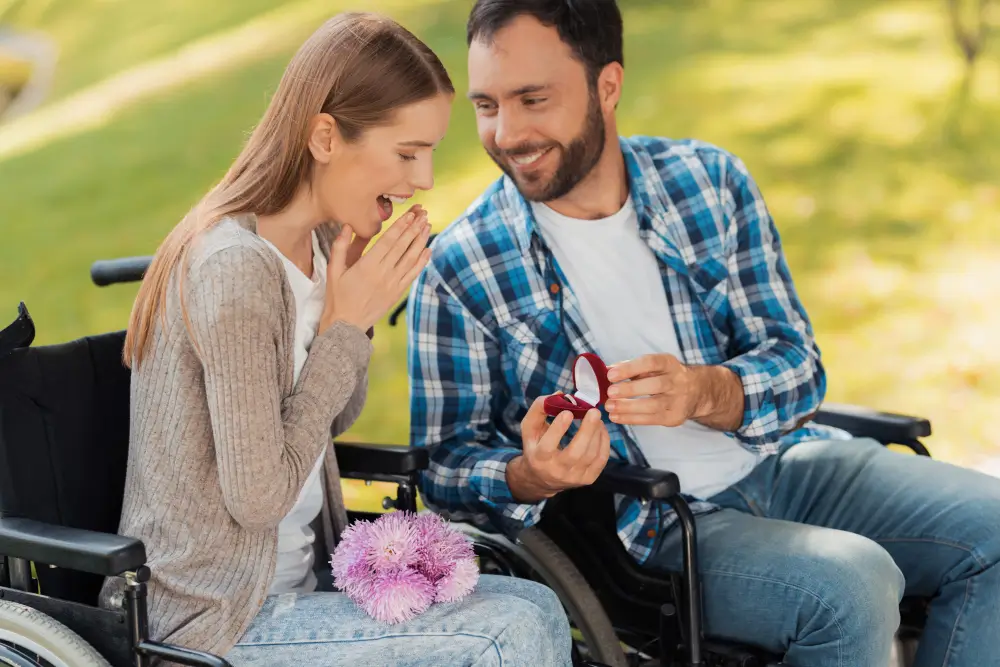
Understanding what love really is requires moving beyond common clichés. Love is often described as constant excitement, perfect compatibility, or emotional intensity that never fades. In reality, these ideas reflect early attraction rather than long-term connection. Real love does not depend on постоянная эйфория or idealization. It develops through stability, awareness, and consistent interaction.
Love is not only a feeling. It is also a pattern of behavior that reflects care, respect, and attention over time. It includes the ability to stay engaged even when emotions are not intense. This is what separates temporary attraction from a deeper connection.
At its core, love includes several essential elements:
- emotional presence and willingness to stay engaged
- respect for individuality and personal boundaries
- consistency in behavior and communication
- interest in the other person’s experience and perspective
In environments like an honest relationship service, where people seek meaningful connection, this understanding becomes especially important. Love is not about finding a perfect person. It is about building a connection that remains stable beyond initial attraction.
How Love Develops Over Time
Understanding how love develops requires recognizing that it does not appear instantly. While attraction can happen quickly, real love forms gradually through repeated interaction and shared experience. It is a process shaped by time, consistency, and emotional investment. In early stages, feelings are often influenced by curiosity and novelty. As interaction continues, these initial emotions are tested by real behavior. Patterns begin to form, and trust either develops or weakens based on consistency.
Love grows when interaction remains stable across different situations. This includes how people communicate, handle stress, and respond to each other over time. Without this repetition, feelings remain surface-level and do not evolve into something deeper. Another important factor is familiarity. As people learn more about each other, the connection becomes more grounded in reality rather than projection. This reduces idealization and creates a more accurate understanding of compatibility.
Love develops not through intensity, but through continuity. When interaction remains consistent and supportive, emotional connection strengthens naturally. This gradual process creates a more stable and realistic foundation for a long-term relationship.
Love Explained Through Psychology
Love explained through psychology shows that it is not a single feeling but a system of emotional and behavioral processes that develop over time. Rather than being constant intensity, love is built through interaction, repetition, and mutual response. It combines several elements that together create a stable and lasting connection.
Key psychological components of love include:
- Attachment as emotional connection. Attachment reflects closeness and the desire to stay connected. It creates a sense of bond, but on its own, it is not enough to define love. Without balance, attachment can turn into dependency rather than a healthy connection.
- Trust built through consistency. Trust develops when behavior remains reliable over time. When actions match words, uncertainty decreases. This allows both people to feel secure without the constant need for reassurance or validation.
- Emotional safety and acceptance. Emotional safety means being able to express thoughts and feelings without fear of rejection or judgment. This creates an environment where both individuals can remain authentic instead of adapting to expectations.
- Awareness and active participation. Love is not passive. It requires attention to behavior, communication, and the impact of actions. This awareness helps maintain balance in the relationship.
From a psychological perspective, love is not a fixed state but an evolving process. It changes as interaction develops and requires ongoing engagement from both people. Understanding love this way removes unrealistic expectations about constant intensity.
Instead of focusing on emotional highs, it shifts attention to stability, consistency, and mutual effort. These factors are more reliable indicators of a strong and sustainable connection.
Also worth reading: Flirting as Communication: How It Actually Works
Stages of Love Development in Relationships
The stages of love development show how a connection evolves from initial attraction to a more stable and grounded bond. Each stage brings different emotional patterns, expectations, and challenges. Understanding these phases helps reduce confusion and creates a more realistic view of how relationships grow over time.
Attraction and early emotional intensity
The first stage is attraction. This phase is driven by curiosity, novelty, and strong emotional response. Everything feels new, and attention is focused on positive impressions. Communication is often frequent, and both people are highly engaged. However, this stage is usually unstable. It is influenced more by perception than by real understanding. People tend to idealize each other, which can create expectations that are not yet grounded in reality. While attraction is important, it does not guarantee long-term compatibility.
Building connection through consistency
The second stage involves building a deeper connection. Communication on the best online dating site in Europe becomes more consistent and less dependent on excitement. Both individuals begin to see each other more realistically, beyond first impressions. At this stage, trust starts to develop through repeated behavior. Patterns become visible, and interaction moves from curiosity to understanding. Emotional engagement becomes more stable, and shared experiences begin to shape the connection. This phase requires patience. It is where compatibility is tested, not assumed.
Stability and emotional balance
The third stage focuses on stability. Emotional intensity becomes more balanced, and the relationship feels more predictable in a positive way. There is less uncertainty and more clarity about where the connection stands. Trust is stronger, communication is more natural, and both people feel more secure. Differences become more visible, but they are easier to manage because the connection is no longer based on idealization. In contexts such as a Ukrainian women dating platform, where people often approach relationships with intention, these stages can be more noticeable. Expectations shift from excitement to consistency and emotional balance.
Progression between stages is not automatic. It depends on how both people handle challenges, maintain communication, and continue to invest in the relationship. Understanding these stages helps create a more grounded and realistic perspective on love.
Meaning of Love in Long-Term Connection
The meaning of love changes in long-term relationships. What begins as attraction evolves into something more stable and complex. Love becomes less about emotion alone and more about choice and responsibility. In long-term connection, love includes commitment to maintaining the relationship. This involves consistent effort, communication, and willingness to adapt. Emotional intensity may decrease, but depth increases.
Another important aspect is shared experience. Over time, memories, challenges, and achievements create a stronger bond. This connection is based on real interaction rather than initial impressions. Love also includes responsibility for how actions affect the other person. This means being aware of communication, behavior, and emotional impact. It reflects a level of maturity that goes beyond attraction.
Meaning of love in this context is not about constant feeling. It is about maintaining connection through consistent actions and mutual understanding. This creates a relationship that is stable and sustainable over time.
Emotional Growth in Love Explained
Emotional growth is a central part of a healthy relationship. Love is not only about connection, but also about how that connection helps both people develop greater awareness, communication, and emotional balance over time. A strong relationship creates conditions where growth feels natural rather than forced. Growth often becomes visible through challenges. Differences in perspective, communication, or expectations reveal areas that require adjustment. When these moments are handled constructively, they do not weaken the relationship. Instead, they create opportunities to understand each other more deeply and build a stronger foundation.
Love supports self-reflection. It encourages both individuals to notice their reactions, improve communication, and respond more thoughtfully. This includes learning to express needs clearly, manage emotional responses, and respect the other person’s perspective even when it differs. Another important element is empathy. Over time, it becomes easier to understand how the other person experiences situations. This reduces unnecessary conflict and improves cooperation. Instead of reacting impulsively, both people begin to respond with greater awareness.
Emotional growth requires active participation. It does not happen automatically. Both individuals need to be willing to engage, adjust, and take responsibility for their behavior. When this effort is mutual, the relationship becomes more resilient. Love that supports growth remains flexible. It adapts to change instead of resisting it. This ability to evolve allows the connection to stay stable even as circumstances shift, making it more sustainable in the long term.
Relationship Love Explained Realistically
Relationship love explained realistically focuses on actions rather than idealized feelings. Love is often misunderstood as something that should feel strong at all times. In reality, it is maintained through consistent behavior. Real love includes daily actions that support the connection. This involves communication, reliability, and attention to the relationship. These behaviors create stability even when emotions fluctuate.
Another important factor is mutual effort. Both people need to contribute to maintaining the connection. Without balance, the relationship becomes unstable. Love also requires acceptance of change. Feelings evolve, and the relationship must adapt. This flexibility allows connection to continue without relying on initial intensity.
Understanding love realistically removes unnecessary pressure. It allows people to focus on what actually builds connection: consistency, respect, and shared experience. When love is approached in this way, it becomes more sustainable. It is not defined by how it begins, but by how it is maintained over time.

Chris Newman is a renowned dating expert and passionate writer. Through his writing, Chris aims to empower readers with the knowledge and tools necessary to build meaningful connections, enhance self-confidence, and overcome obstacles in their romantic journeys.
His articles and blog posts cover a wide range of topics, including dating tips, relationship advice, self-improvement, and personal growth. Chris is known for his ability to break down complex concepts into practical, actionable steps, making his guidance accessible to readers of all backgrounds.